
Health Tips
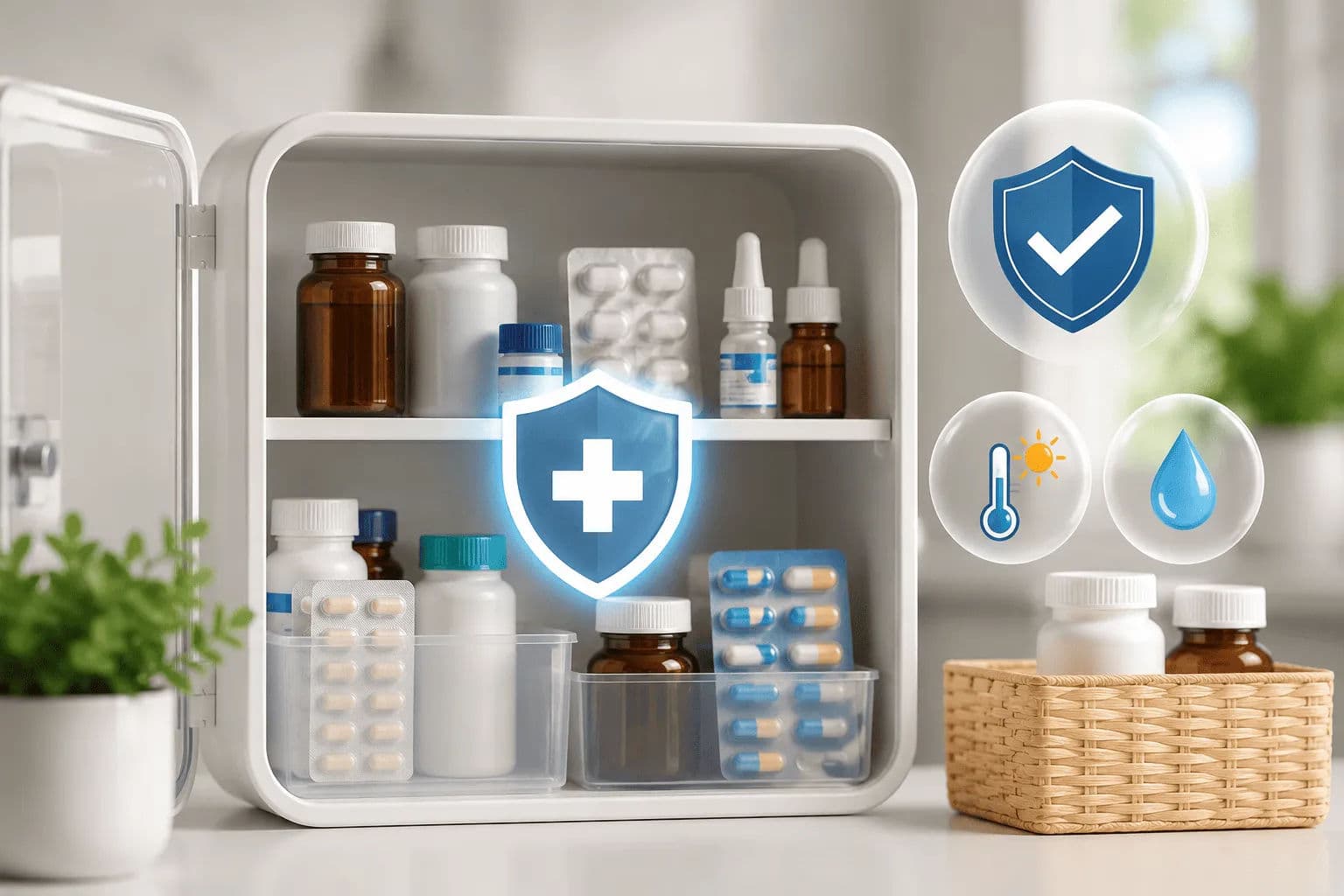
Learn how to store medicines properly to maintain their safety, quality, and effectiveness. Follow these expert storage tips from Medisfera Pharmacy.
Medicines contain active ingredients that can be affected by environmental factors such as:
Heat
Humidity
Sunlight
Air exposure
Bacteria and contamination When medicines are stored improperly, their active ingredients may degrade, making them less effective or even unusable. Proper storage helps preserve the quality, safety, and therapeutic benefits of your medications.
Keep Medicines at the Recommended Temperature Most medicines should be stored at room temperature, typically between 20°C and 25°C (68°F–77°F). Always check the product label because some medications require special storage conditions. Examples include:
Certain medications that need refrigeration (2°C–8°C)
Medicines that must not be frozen
Products that should be protected from excessive heat Following the manufacturer's instructions helps maintain the medication's stability and effectiveness.
Avoid Direct Sunlight Exposure to sunlight can damage many medications and reduce their effectiveness. Store medicines in:
A closed cabinet
A dedicated medicine box
A cool, shaded location Avoid placing medications near windows, balconies, or other areas exposed to direct sunlight.
Protect Medicines from Moisture Humidity can cause tablets to soften, capsules to deteriorate, and encourage bacterial or fungal growth. Avoid storing medicines in:
Bathrooms
Near sinks
Humid kitchen areas A cool, dry location is generally the best place to store most medications.
Keep Medicines in Their Original Packaging Whenever possible, leave medications in their original containers. Original packaging helps:
Protect against light exposure
Maintain product stability
Display dosage instructions
Show expiration dates
Provide batch and manufacturer information Keeping medicines in their original packaging also reduces the risk of medication errors.
Liquid medicines such as syrups, eye drops, and oral suspensions require extra care. Storage Tips for Liquid Medicines
Always close the cap tightly after use
Follow the storage instructions on the label
Avoid transferring the liquid to another container
Prevent contamination of bottle openings and droppers Many liquid medicines have a limited shelf life once opened, so be sure to follow the manufacturer's recommendations.
Vitamins and dietary supplements can also lose potency if stored incorrectly. Best Practices for Supplement Storage
Keep them in a cool, dry place
Close containers tightly after use
Protect them from heat and sunlight
Avoid leaving bottles open for extended periods Oil-based supplements such as Omega-3 fish oil are often more sensitive to heat than tablets or capsules.
Some medications must be stored in a refrigerator to remain stable and effective. Examples include:
Certain insulin products
Some vaccines
Biologic medications
Selected probiotic products However, not all medicines should be refrigerated. Storing medications at temperatures that are too cold may damage them. Always read the storage instructions carefully or consult a pharmacist if unsure.
Do not use a medicine if you notice any of the following:
Changes in color
Unusual odor
Cracked or crumbling tablets
Sticky capsules
Separation or discoloration in liquids
Damaged or leaking packaging If you are uncertain about a medicine's condition, consult a pharmacist before using it.
Medication safety is especially important in households with children and pets. Safety Recommendations
Store medicines in high cabinets
Use locked medicine storage boxes when possible
Never leave medicines on tables or countertops
Keep medications out of sight and reach of children and pets Accidental poisoning can occur when medicines are stored carelessly.
Medicines should be discarded if:
They have expired
The packaging is damaged
Physical changes are observed
They are no longer needed as directed by a healthcare professional Avoid disposing of medicines through sinks, toilets, or regular household waste unless local guidelines permit it. Follow proper medication disposal recommendations in your area.
Can I store medicines in the refrigerator? Only if the product label specifically instructs refrigeration. Many medicines should be stored at room temperature.
Is it safe to use expired medicine? In general, expired medicines should not be used because their effectiveness and safety cannot be guaranteed.
Where is the best place to store medicines at home? A cool, dry cabinet away from sunlight, heat, and moisture is usually the ideal location.
Can vitamins lose effectiveness if stored improperly? Yes. Heat, humidity, and sunlight can reduce the potency of vitamins and supplements over time.
Proper medicine storage plays a crucial role in maintaining the safety, quality, and effectiveness of medications, vitamins, and supplements. By storing products in a cool, dry place, protecting them from sunlight and moisture, and following manufacturer recommendations, you can help ensure they remain effective when you need them most.
At Medisfera Pharmacy, we are committed to helping you make informed healthcare decisions. Whether you need advice on medication storage, vitamins, supplements, or over-the-counter treatments, our team is ready to assist. Contact Medisfera Pharmacy today for expert guidance and access to high-quality healthcare products tailored to your needs.

Your health and safety in Bali are our top priorities. Our team works closely with licensed pharmacists to ensure all content is accurate, up-to-date, and helpful for your stay.