
Health Tips
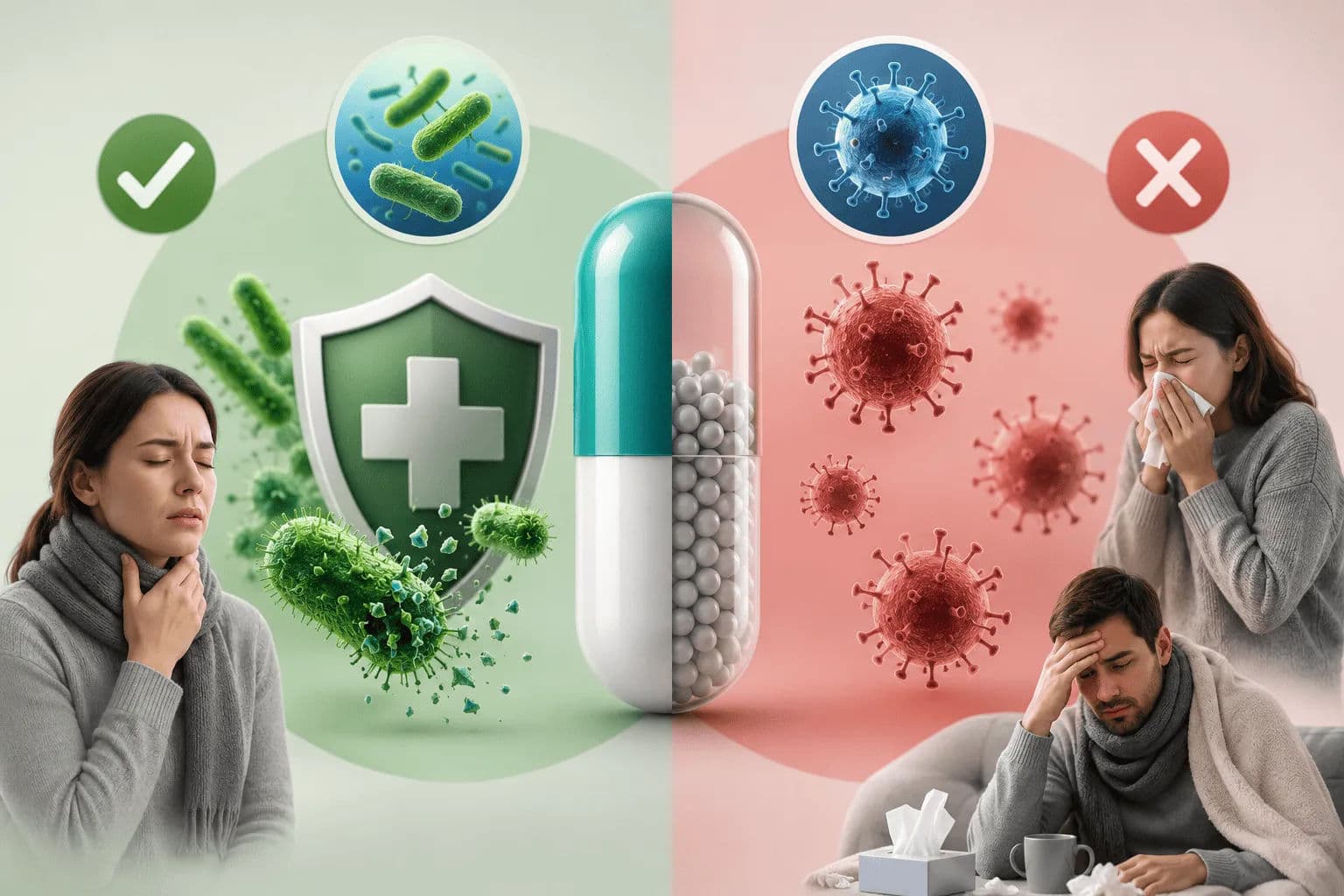
Antibiotics have revolutionized modern medicine, saving millions of lives by treating bacterial infections effectively. However, many people still believe that antibiotics can cure any illness, leading to unnecessary and inappropriate use. The truth is that antibiotics only work against bacterial infections and are ineffective against viruses such as the common cold or flu. Understanding when antibiotics are needed—and when they are not—is essential for protecting your health and preventing antibiotic resistance, one of the biggest global health challenges today.
Antibiotics are medications designed to kill bacteria or stop their growth. They help the body's immune system fight bacterial infections and prevent complications. Some commonly prescribed antibiotics include:
Amoxicillin
Azithromycin
Cefixime
Doxycycline
Ciprofloxacin Each antibiotic works differently and is prescribed based on the type of bacteria causing the infection.
Healthcare professionals prescribe antibiotics when an infection is likely caused by bacteria. Some common conditions that may require antibiotic treatment include:
Urinary Tract Infections (UTIs) Urinary tract infections are often caused by bacteria entering the urinary system. Common symptoms include:
Pain or burning during urination
Frequent urge to urinate
Cloudy or strong-smelling urine
Lower abdominal discomfort Antibiotics are typically the primary treatment for bacterial UTIs.
Strep Throat Not every sore throat requires antibiotics. However, if the infection is caused by Streptococcus bacteria, antibiotics can help reduce symptoms, prevent complications, and shorten recovery time.
Bacterial Pneumonia Pneumonia caused by bacteria can be serious and often requires antibiotic treatment. Symptoms may include:
High fever
Persistent cough
Shortness of breath
Chest pain
Fatigue Prompt treatment can help prevent severe complications.
Skin and Soft Tissue Infections Bacterial infections affecting the skin may include:
Cellulitis
Infected wounds
Abscesses
Impetigo Depending on the severity, oral or topical antibiotics may be prescribed.
Certain Ear and Sinus Infections While many ear and sinus infections are viral and resolve on their own, some bacterial infections may require antibiotics if symptoms are severe or persist for an extended period.
Taking antibiotics when they are not needed can create serious health problems.
Antibiotic resistance occurs when bacteria evolve and become resistant to medications that once effectively treated them. This can result in:
Harder-to-treat infections
Longer recovery times
Increased healthcare costs
Greater risk of hospitalization
Higher risk of complications Antibiotic resistance is considered one of the most significant public health threats worldwide.
Like all medications, antibiotics can cause side effects, including:
Nausea
Diarrhea
Stomach discomfort
Allergic reactions
Yeast infections Some individuals may experience more serious reactions that require medical attention.
Antibiotics can affect beneficial bacteria in the digestive system, potentially leading to digestive problems and imbalances in the gut microbiome.
Proper antibiotic use helps maximize effectiveness and reduce the risk of resistance.
Always Follow Medical Advice Only take antibiotics when prescribed by a licensed healthcare professional.
Complete the Prescribed Course Take the medication exactly as directed and for the recommended duration.
Never Share Antibiotics An antibiotic that works for one person may not be appropriate for another condition or individual.
Avoid Using Leftover Antibiotics Using leftover medication can lead to incorrect treatment and may contribute to antibiotic resistance.
Follow Dosage Instructions Carefully Take antibiotics at the recommended times and doses to maintain effective drug levels in the body.
Seek medical advice if you experience:
Persistent high fever
Difficulty breathing
Severe pain
Symptoms that worsen over time
Signs of infection that do not improve
Recurrent infections A healthcare provider can determine whether your illness is bacterial, viral, or caused by another condition and recommend the most appropriate treatment.

Your health and safety in Bali are our top priorities. Our team works closely with licensed pharmacists to ensure all content is accurate, up-to-date, and helpful for your stay.