
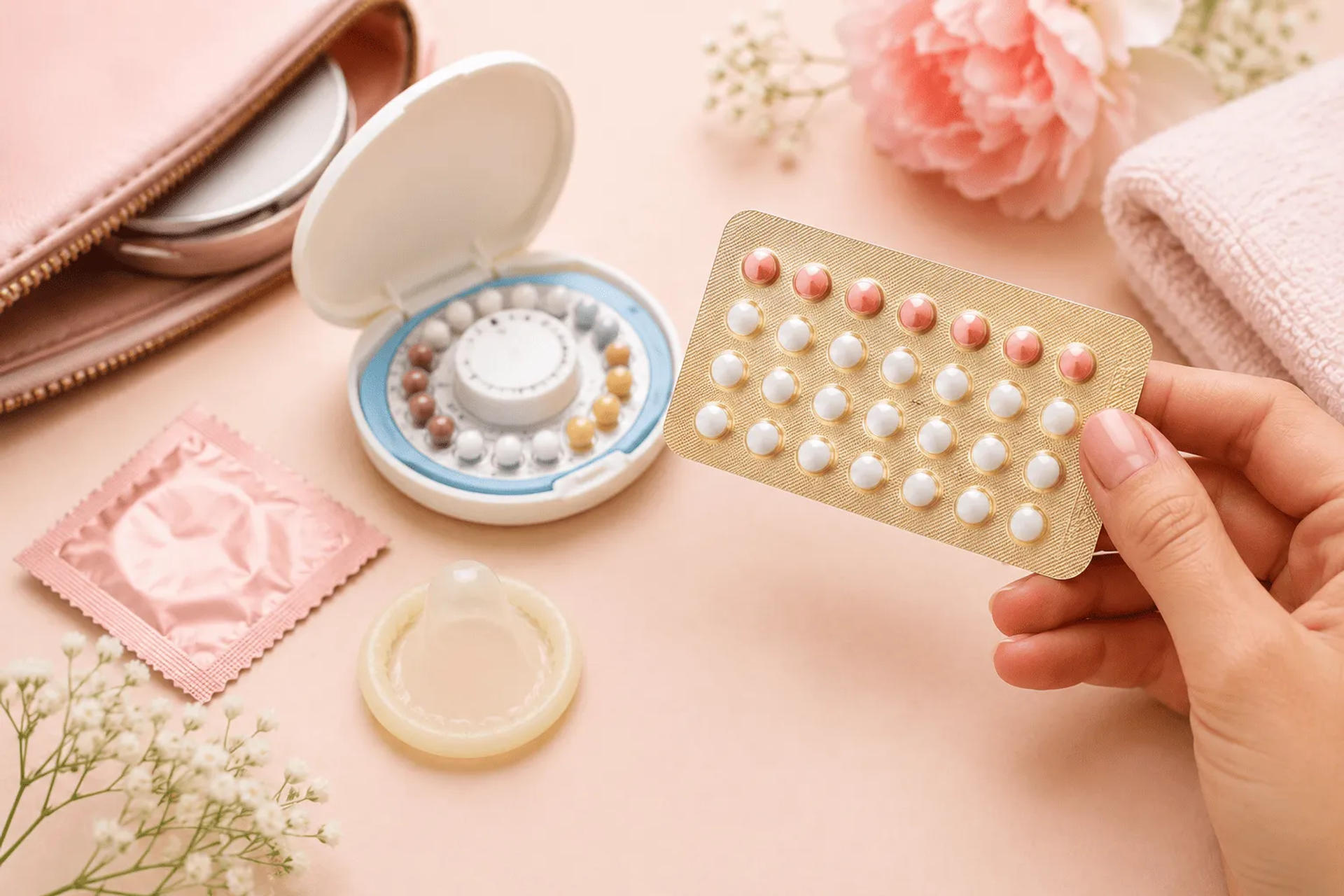
Choosing the Right Contraceptive Pill: What Women Should Know
The Complete Guide to Choosing the Right Birth Control Pill
Contraceptive pills remain one of the most widely used and effective methods of preventing pregnancy. However, many women are unsure which type of birth control pill is best suited to their lifestyle, health condition, and reproductive goals. Understanding the available options can help women make informed decisions together with their healthcare providers.
What Is a Contraceptive Pill?
A contraceptive pill, often called a birth control pill, is an oral medication designed to prevent pregnancy. When used correctly, contraceptive pills can be more than 99% effective. They work primarily by preventing ovulation, thickening cervical mucus, and altering the uterine lining.
Types of Contraceptive Pills
Combined Oral Contraceptive Pills (COCs): These contain both estrogen and progestin. They are commonly prescribed and may help regulate periods, reduce menstrual cramps, and improve acne symptoms.
Progestin-Only Pills (Mini Pills): These contain only progestin and are often recommended for breastfeeding women or those who cannot take estrogen.
Benefits of Birth Control Pills
Highly effective pregnancy prevention
More predictable menstrual cycles
Reduced menstrual pain and bleeding
Lower risk of certain ovarian and endometrial conditions
Potential improvement in acne and hormonal symptoms
Factors to Consider Before Choosing a Pill
Age and overall health
Smoking status
Blood pressure and cardiovascular risk
Breastfeeding status
Migraine history
Existing medical conditions
Personal family medical history
Who May Need Extra Medical Advice?
Women with a history of blood clots, stroke, heart disease, uncontrolled hypertension, liver disease, or certain cancers should seek professional medical evaluation before starting hormonal contraception.
Common Side Effects
Some women experience temporary side effects including:
Nausea
Breast tenderness
Mild headaches
Spotting between periods
Mood changes Most side effects improve within a few months of use.
How to Choose the Best Contraceptive Pill
The best contraceptive pill depends on individual health needs and lifestyle factors. Women who frequently forget medications may benefit from alternative contraceptive methods. Those seeking additional hormonal benefits may prefer combined pills, while others may require progestin-only options.
Frequently Asked Questions
Can birth control pills affect fertility? No. Fertility typically returns shortly after stopping the pill.
Do birth control pills cause weight gain? Current research shows limited evidence that modern contraceptive pills directly cause significant weight gain.
Can I take birth control pills while breastfeeding? Many healthcare providers recommend progestin-only pills during breastfeeding.
SEO Keywords Covered
birth control pill
contraceptive pill
oral contraceptive
best birth control pill
contraceptive options
women's health
family planning
hormonal contraception
pregnancy prevention
reproductive health
Conclusion
Choosing the right contraceptive pill is a personal decision that should be based on medical history, lifestyle, reproductive goals, and professional healthcare guidance. Understanding the different types, benefits, and potential side effects can help women select the safest and most effective option for their needs.

Medisfera Editorial Team
Your health and safety in Bali are our top priorities. Our team works closely with licensed pharmacists to ensure all content is accurate, up-to-date, and helpful for your stay.